Responsibility remains human
Human oversight of AI must be effective, especially where life, freedom and the use of force are at stake. This is the limit Leo XIV set out on 30 October 2026 at the Vatican meeting promoted by the Pontifical Academy for Life and the Future of Life Institute.
The questions concern choices as well as capabilities
The Pope shifts the question from how powerful systems are to what they are for. The future of technology depends on human choices: applications must be open to direction, change and, where necessary, rejection. Reliability matters more than a race for capability without control over its consequences.
Life, freedom and autonomous weapons
“Certain decisions must never be delegated,” Leo XIV warns. His concern also extends to systems that classify people. He calls on states meeting in Geneva in November to take concrete steps towards banning lethal autonomous weapons.
Who answers for a machine’s mistakes?
The Pope warns against granting AI legal personality: it could obscure human responsibility and leave people who suffer harm without an identifiable party to turn to. He calls for shared standards, independent oversight and accessible remedies. In his view, the benefits of innovation must also reach those with fewer resources.
Sources and documents
Document date or reference period: Speech delivered at the Vatican on 30 October 2026.
- Holy See · Leo XIV’s address, 30 October 2026 ↗
- Vatican News · AI and human oversight ↗
- RaiNews · The Pope’s warning on AI ↗
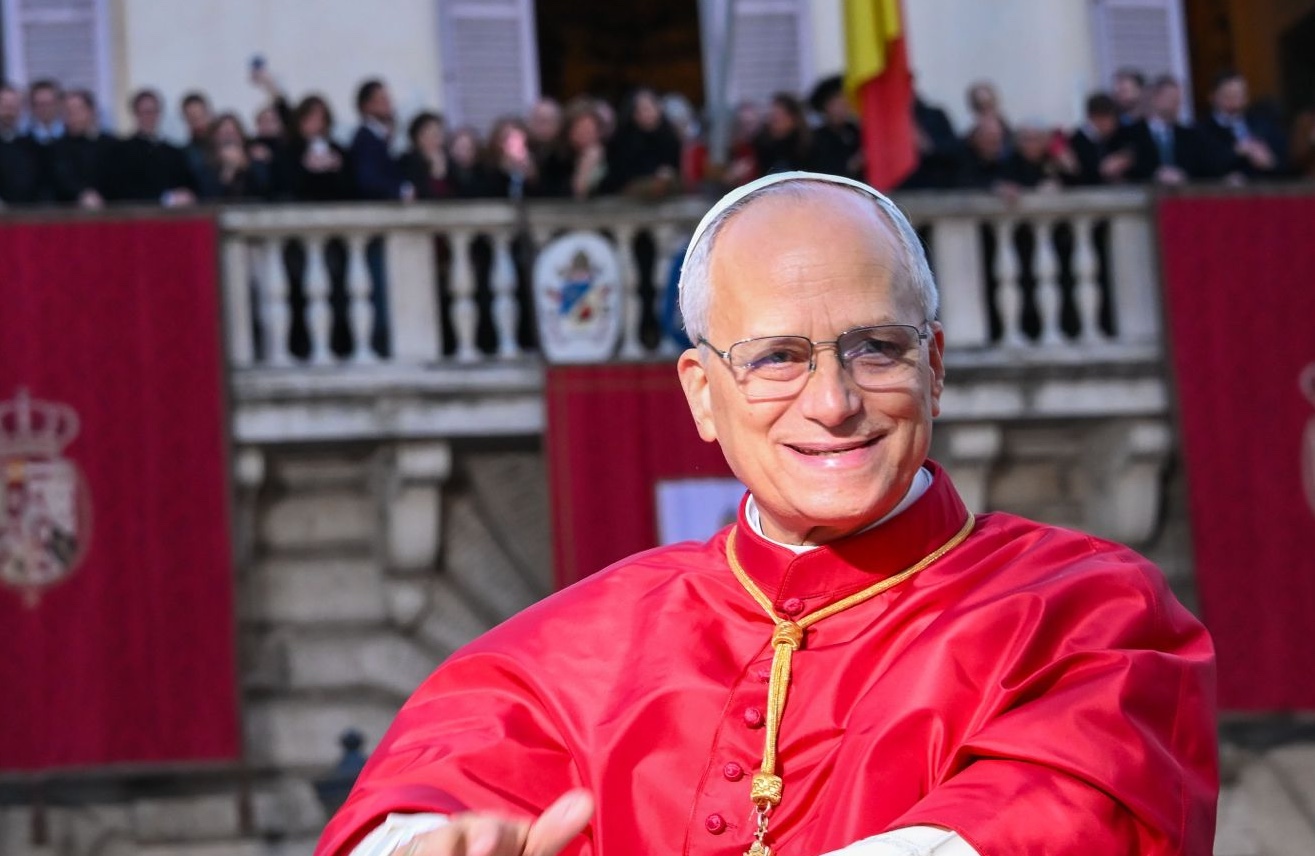
Adapted for IAnews24 from the official speech and the reports listed, with AI assistance. Positions on the use of technology are attributed to the Pope. Portrait in a digital frame from the image supplied to the newsroom.